
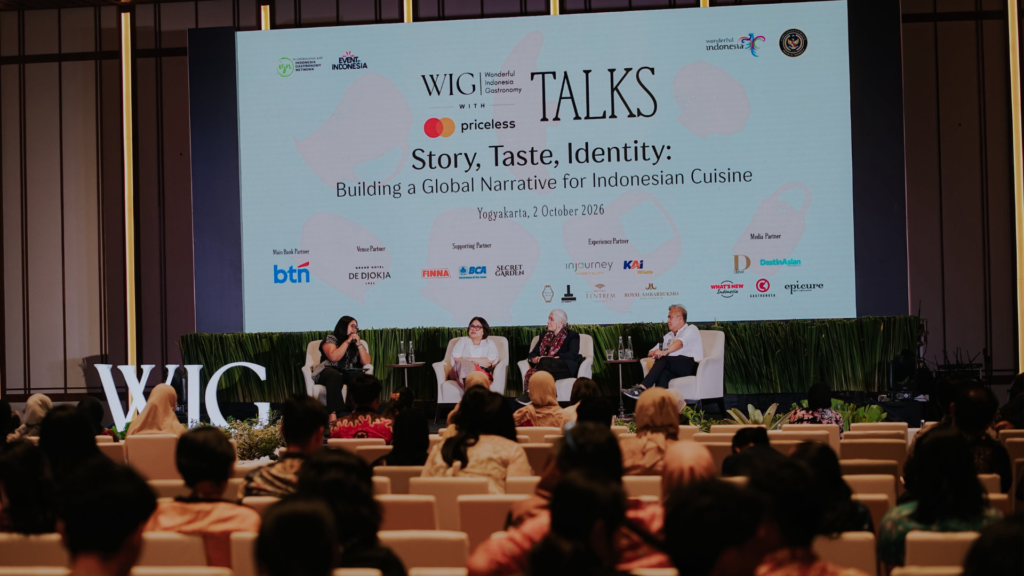
On starting my own consultancy, earning trust across generations, navigating corporate politics, and discovering that sometimes the smartest move is knowing when not to make one.
It’s been quite a ride since July 2026.
New projects. New people. New responsibilities. And an impressive number of situations where I’ve had to remind myself that not everything needs my opinion.
Which, for someone who makes a living giving opinions professionally, is quite an achievement.
Let’s start with the biggest change.
I finally launched my own consultancy.
P.S Consultancy.
Why P.S?
Well, I’ve always found the idea of a postscript rather interesting. It’s the little note you add at the end of a letter. The main message has already been written, but somehow, there’s still something worth adding.
And that’s how I see consulting.
When you enter a business as an external strategist, you’re not there to rewrite everything the owners have built. You’re there to offer another perspective. To observe what already exists, identify opportunities, challenge assumptions when necessary, and hopefully help the business grow.
Not to arrive with a fancy presentation deck and announce that everything needs changing.
Although, admittedly, I do love a good presentation deck.
The reality is that business owners understand their businesses in ways an external consultant never fully can, especially in the beginning.
They’ve built the relationships, made the difficult decisions, survived the setbacks, and carried responsibilities we may never see.
Our job isn’t to compete with that knowledge.
It’s to complement it.
Respect first. Observe second. Advise thoughtfully.
And perhaps the most underrated skill of all?
Read the room.
Because even the most brilliant strategy means very little if nobody trusts the person presenting it.
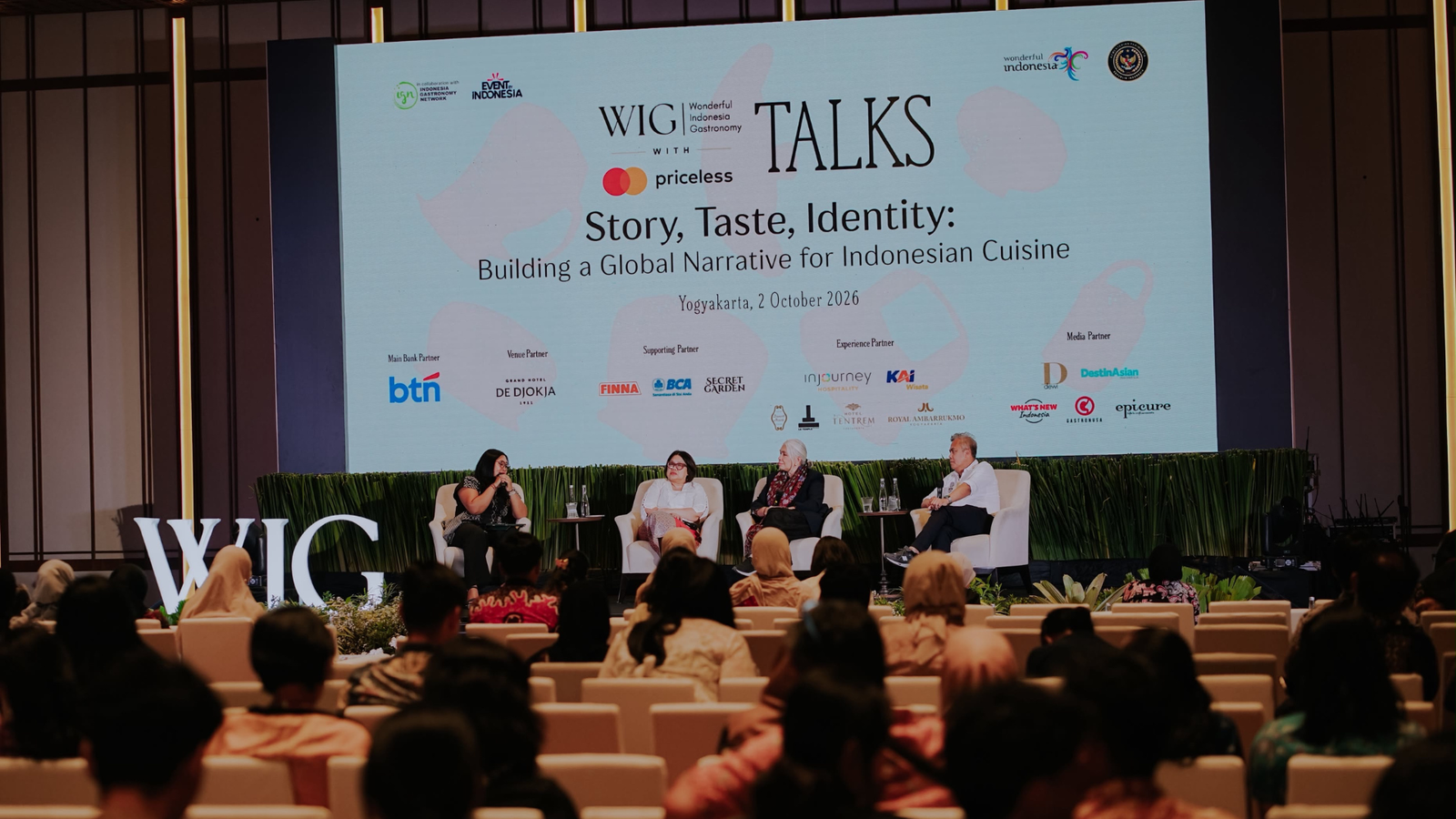
Sometimes the Best PR Strategy Is Not Doing PR
One of my first lessons in independent consulting came from working with a client who had a very clear philosophy about recognition.
She didn’t want her name placed above the people who had helped build the company. She wasn’t interested in flashy awards or the kind of personal publicity that so many brands would happily pay good money to receive.
As a PR person?
I could have cried.
All those potential headlines. The interviews. The opportunities for visibility.
Gone.
But the longer I worked with her, the more I understood her perspective.
She wasn’t rejecting recognition because she didn’t appreciate what had been accomplished.
She simply believed the work, and the people behind it, deserved more attention than she did.
And who was I to insist otherwise?
There was a younger version of me who might have arrived with a compelling argument about media exposure, brand positioning, and why an award could strengthen the company’s reputation.
And those arguments might have been perfectly reasonable.
But reasonable doesn’t automatically mean right for the client.
Sometimes professionalism means knowing when to put your own brilliant idea back in your pocket.
On another occasion, the job required something completely different.
I had to step forward, host influential groups of people, navigate conversations, introduce the right people to one another, and make sure everyone felt comfortable and informed.
Suddenly, being visible wasn’t about promoting myself.
It was about making other people feel seen.
Same profession.
Different approach.
And a reminder that good PR isn’t always about getting attention. Sometimes it’s about knowing where the attention belongs.
Then There Are Projects Where You Have to Be the Face
Not every client wants you quietly advising from behind the scenes.
Some projects require you to be the person standing at the front, making introductions, opening doors, and asking people to believe in something that hasn’t yet proved itself.
This was another interesting adjustment.
I found myself reaching out to people I’d known for years, introducing programs, connecting businesses, and asking them to trust that what I was bringing to the table could create value for everyone involved.
The restaurants.
The partners.
The communities.
And, hopefully, the people experiencing the collaborations.
Sounds straightforward.
Until you realize that your professional relationships are now part of the responsibility you’re carrying.
You’re no longer representing just a company.
You’re putting your own credibility on the line.
And that feels different.
I’ve been tremendously grateful to the people who listened, asked thoughtful questions, offered honest feedback, and trusted me enough to give an idea a chance.
You know who you are.
What I learned from this process is that strategy isn’t simply about selling the idea you believe in most.
It’s about understanding why that idea should matter to someone else.
What does the restaurant gain?
What does the partner need?
What makes the collaboration genuinely worthwhile rather than just another logo exchange?
A win-win partnership sounds lovely in a presentation.
Making it work in real life requires considerably more effort.
And a willingness to keep studying.
Because the moment you assume you already understand everyone’s needs is probably the moment you’ve stopped listening.
The Awkward Business of Replacing the Cool Boss
Now, here’s another interesting chapter.
Imagine being appointed to take over a role previously held by someone who’s already earned the team’s admiration.
The cool boss.
The one everyone likes.
The one with the right personality, the right attributes, and years of established relationships.
And then you arrive.
Hello.
The new girl.
Or, depending on who’s looking, the girl trying to replace the real deal.
Wonderful first impression, isn’t it?
I’m not going to pretend it didn’t bother me.
Of course it did.
There’s something uncomfortable about walking into a room where people have already decided who you are before you’ve had the opportunity to show them how you work.
And my ego had plenty to say about it.
Should I prove them wrong?
Should I work twice as hard?
Should I demonstrate that I know exactly what I’m doing?
But eventually, I realized I was asking the wrong questions.
I wasn’t there to become another version of the previous leader.
And I certainly wasn’t there to compete with someone’s memory.
I was there to do the job.
My way.
And hopefully, do it well.
One of the most interesting parts has been working with Gen Z team members.
As a Millennial, I grew up professionally in environments where clear instructions, deadlines, and accountability were often communicated from the top down.
You received a brief.
You executed it.
You reported back.
Simple enough.
But I’ve found that some younger colleagues respond better when they’re given room to participate in the decision-making process.
Rather than immediately saying, “This is what you need to do,” I’ve been practicing asking:
How would you approach this?
What do you think could work better?
If you were making the decision, what would you do differently?
Of course, giving someone ownership doesn’t mean disappearing and hoping everything works out.
You still need direction.
You still need accountability.
And occasionally, you need to gently bring the conversation back when the team starts heading somewhere completely unrelated to the original objective.
But I’ve enjoyed watching what happens when people feel they have some authority over their work.
They start thinking beyond the instructions.
They ask better questions.
Sometimes they surprise you.
And sometimes they make mistakes.
So do I.
I’m still figuring out how to balance autonomy with structure, encouragement with accountability, and patience with the occasional urge to say, “Can we please just get this done?”
Consider it an ongoing A/B test.
No final results yet.
But plenty of interesting data.
And perhaps that’s what leadership should be.
Not a fixed personality you’re expected to perform, but a practice you’re willing to keep improving.

Big Corporations, Bigger Politics?
Another fascinating part of this chapter has been working with people operating at very different levels of corporate leadership.
From regional executives overseeing Asia-Pacific markets to expatriate professionals who have spent years navigating the Indonesian business environment.
And let me tell you, the contrast can be quite something.
I’ve observed leaders who communicate with remarkable clarity.
They know what they want, respect people’s time, ask relevant questions, and make decisions without turning every meeting into a performance.
Then there are situations where conversations become unnecessarily complicated.
Responsibilities are blurred.
Decisions are postponed.
People suddenly appear unfamiliar with information that has been discussed several times.
And somehow, everyone leaves the meeting with a different understanding of what just happened.
Fascinating.
Especially when it happens inside a very large corporation.
I’ve learned that a prestigious company name doesn’t automatically guarantee better leadership, just as running an independent business doesn’t make someone less professional.
A title tells you what someone is responsible for.
It doesn’t necessarily tell you how well they handle that responsibility.
What has been particularly interesting is learning to navigate different corporate cultures.
One moment, I’m working with regional teams who value direct communication, structured reporting, and clear deliverables.
The next, I’m navigating local business dynamics where relationships, hierarchy, and knowing how to approach the right person can be just as important as the proposal itself.
Switching between the two requires a certain amount of flexibility.
And patience.
Lots of patience.
There are days when I wish everyone could simply say what they mean, make a decision, and move on.
But business doesn’t always operate in a straight line.
Especially when people, personalities, and organizational politics are involved.
So I adapt.
I observe.
I ask questions.
And when necessary, I remind myself that winning an argument isn’t necessarily the same as achieving an outcome.
So, What Have I Learned About Work Ethics?
For years, I associated professionalism with competence.
Knowing your industry.
Delivering results.
Meeting deadlines.
Taking responsibility.
And yes, all those things still matter.
But lately, I’ve been thinking about the less obvious parts of being professional.
How you behave when someone disagrees with you.
How you respond when your idea isn’t chosen.
How you treat people who have less authority than you.
Whether you can admit that someone younger might know something you don’t.
Whether you can respect a client’s decision even when it goes against your professional instincts.
And whether you can walk into a room without needing to be the most impressive person in it.
Because I’ve met people with extraordinary titles who struggle with the basics of communication.
And I’ve met people with modest job descriptions who demonstrate more integrity, curiosity, and leadership than some executives I’ve encountered.
It’s made me reconsider what being good at your job actually means.
Maybe work ethics aren’t just about how hard you work.
They’re also about how you work with people when things don’t go your way.
Do you listen?
Do you take accountability?
Do you give credit?
Do you respect the people whose names might never appear in a press release?
And can you put your ego aside long enough to recognize that someone else’s perspective might improve your own?
Since starting P.S Consultancy, I’ve found myself doing less of what I once thought made a great strategist: arriving with answers.
Instead, I’m asking more questions.
Listening more carefully.
Learning to be comfortable with not knowing everything.
And occasionally keeping my mouth shut.
Which, believe me, is a skill I’ve had to develop.
I still love a good strategy.
I still get excited about ambitious ideas, challenging briefs, and the satisfaction of seeing something work.
But I’m becoming less interested in proving that I’m the smartest person in the room.
I’d rather be someone people trust to help them make better decisions.
And perhaps that’s the biggest lesson this chapter has taught me.
Professionalism isn’t about making yourself indispensable. It’s about making your contribution meaningful.
Even when nobody’s applauding.
Especially then.