
Did you know that Oaxaca is one of Mexico’s poorest states?
As of 2020, about 24.3% of its population lived in extreme poverty, and another 39.6% in moderate poverty. In some remote, indigenous areas, that number soared to 99%. By 2024, the figure for multidimensional poverty—which includes lack of income, access to services, and infrastructure—stood at 51.6%.
The reasons are complex: Oaxaca’s mountainous terrain isolates many communities, infrastructure is limited, and informal labor dominates. Many residents still depend on agriculture and handicrafts for survival, often without access to consistent healthcare or education. Yet, despite these challenges, Oaxaca has done something extraordinary—its cuisine has captivated the world.

Often called Mexico’s culinary capital, Oaxaca blends indigenous heritage (Zapotec, Mixtec, and more) with ingredients that define New World gastronomy. The city’s identity is built on food that tells stories of resilience, creativity, and heritage.
* Mole: Oaxaca is home to the legendary seven moles—negro, amarillo, coloradito, verde, manchamanteles, chichilo, and rojo—each a labor of love blending dozens of ingredients into a harmony of flavor and history.
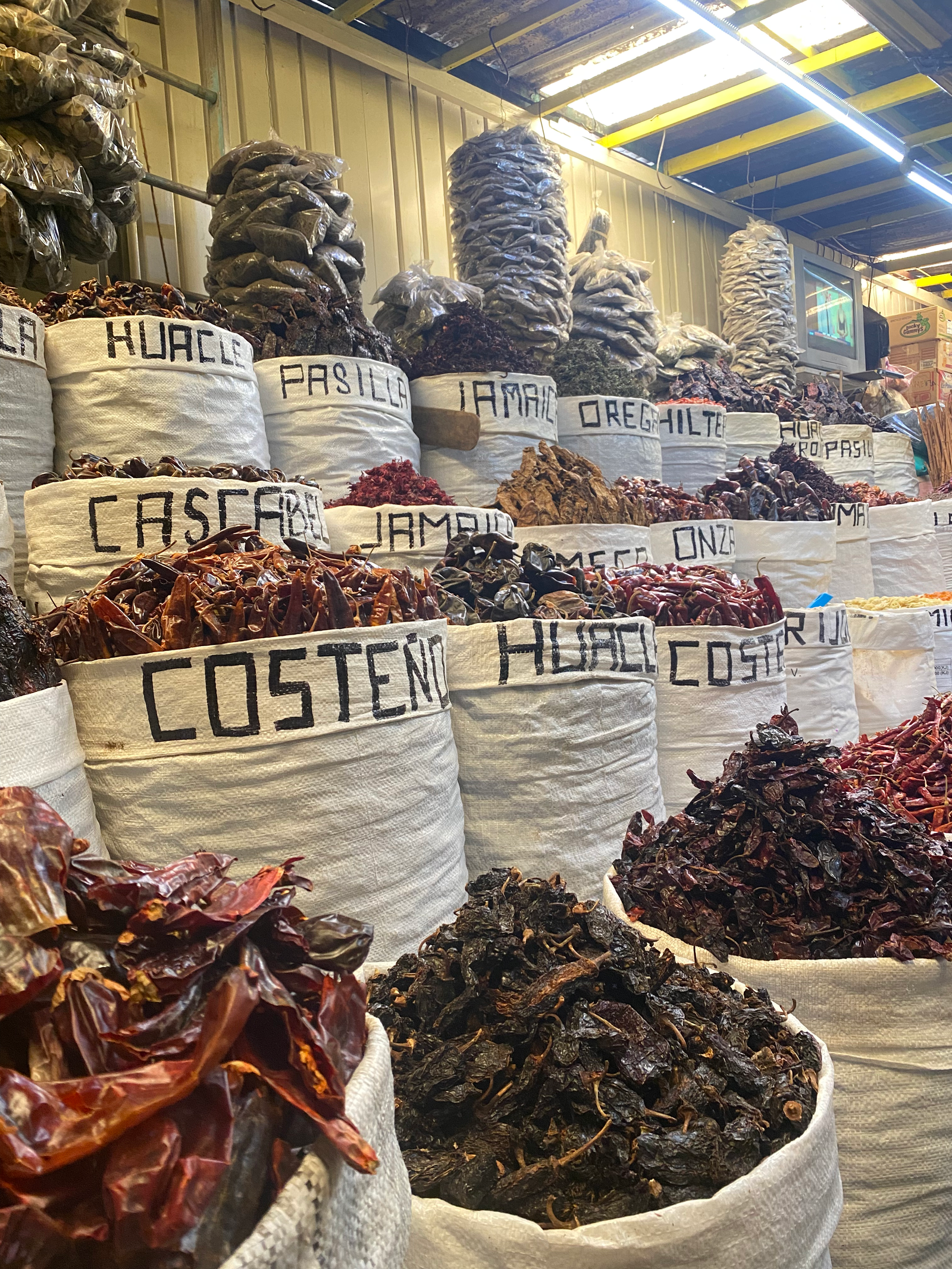
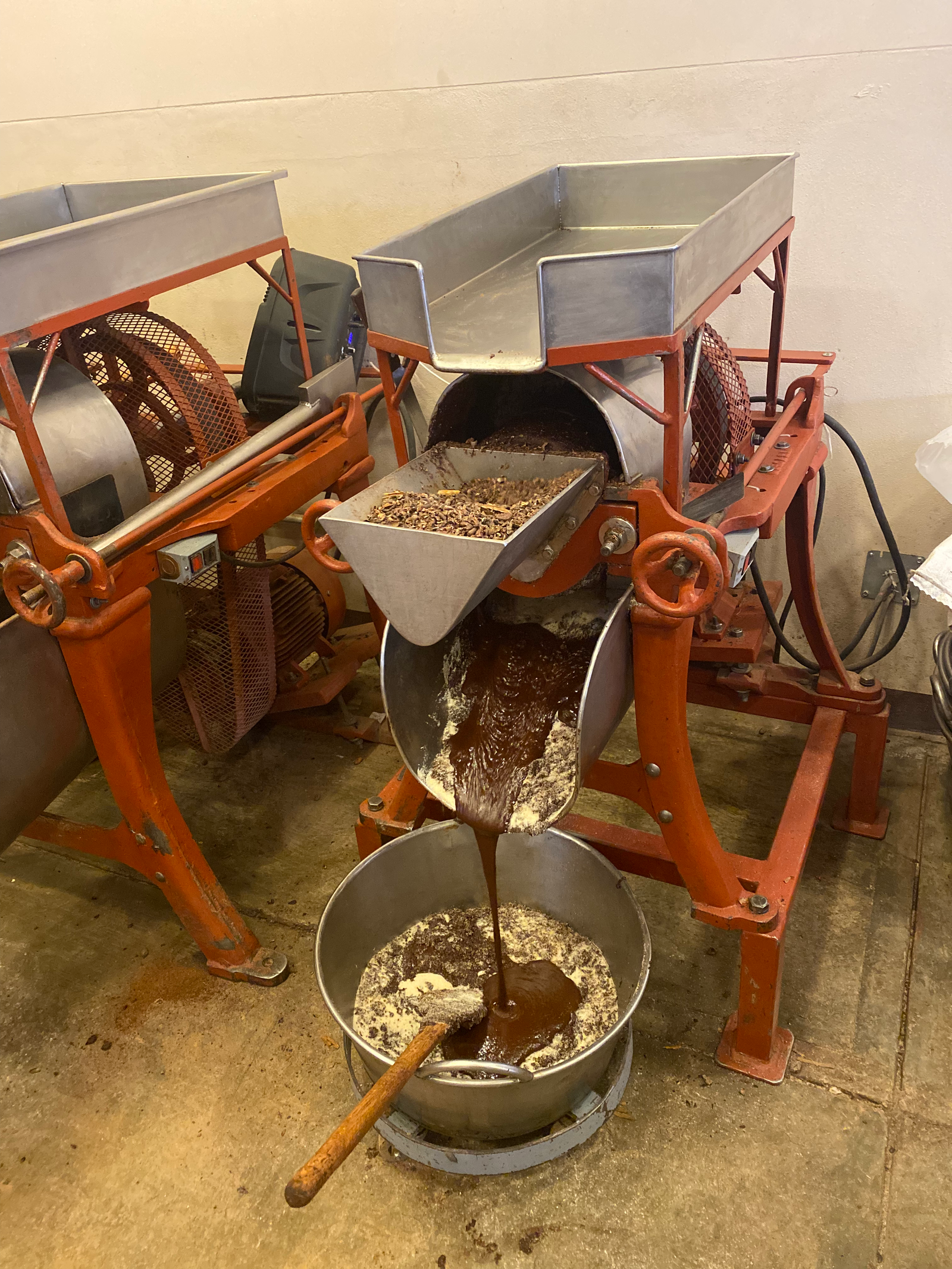
* Chocolate: Once used as currency by the Aztecs, cacao still thrives in Oaxacan kitchens, especially through traditional brands like Mayordomo, which keeps ancestral recipes alive.
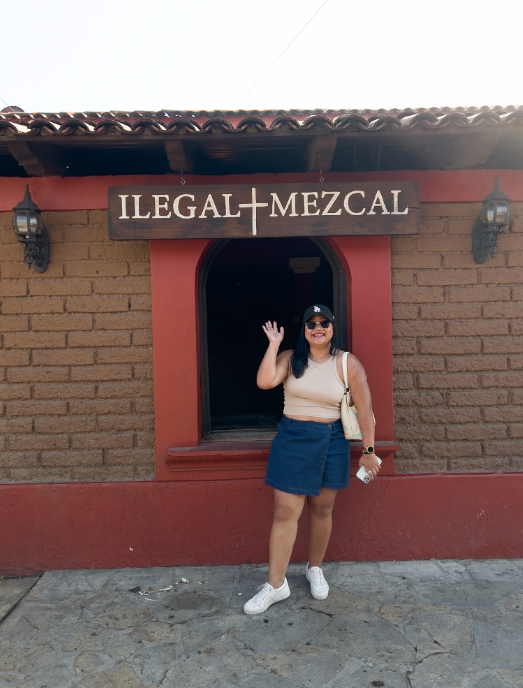
* Mezcal: Made from hand-harvested agave and distilled in small palenques, mezcal isn’t just a drink—it’s a cultural expression that has put Oaxaca on the global spirits map.
These culinary treasures have turned Oaxaca into a magnet for chefs, travelers, and food lovers worldwide. Tourism, food festivals, and culinary schools now play vital roles in the local economy, helping sustain communities through what they’ve always had—flavor, craftsmanship, and soul.
I still remember my food tour with Javier at the local market. Watching people eat cactus and flowers, I asked him, “Why cactus?” He smiled and said, “Anne, despite what people see on TV—our colors, our culture—we’re poor. My mom had eight kids. We ate whatever was on the table.”
That moment grounded me. Oaxaca’s beauty doesn’t come from wealth—it comes from gratitude, survival, and the power to turn simplicity into something deeply meaningful.